Why gambling holds cultural significance across societies
Historical Perspectives on Gambling
Gambling has been woven into the fabric of human history for centuries, often reflecting the cultural and societal norms of various civilizations. For example, many ancient societies viewed gambling as a way to connect with the divine, utilizing games of chance to make decisions or predict the future. This historical significance lays the groundwork for understanding gambling’s role in contemporary cultures, as rituals and beliefs surrounding luck and fate continue to influence modern gambling practices. For further insights on this complex relationship, you can explore related resources here.

Each era and culture brought its unique spin to gambling, showcasing how it evolved alongside human society and highlighting its deep-rooted importance.
Gambling as a Social Activity
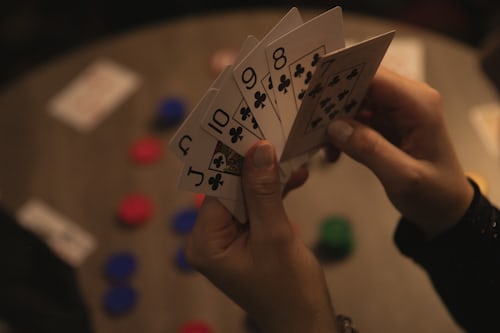
In numerous cultures, gambling acts as a communal activity, bringing people together in both celebration and competition. Whether it’s a poker night among friends or a larger event like a casino night, the social aspects of gambling foster connections among participants. This communal atmosphere not only enhances the enjoyment of the game but also reinforces social bonds.
Moreover, gambling often transcends mere recreation, serving as a means of socializing and building relationships. It creates opportunities for shared experiences, making it significant within various cultural contexts. The social implications of gambling highlight its relevance in fostering community ties and cultural identity.
Gambling and Economic Impact
The economic significance of gambling cannot be understated. Many cultures have established formal gambling institutions, from state lotteries to casinos, which contribute significantly to local and national economies. These institutions create jobs, generate tax revenue, and stimulate tourism, illustrating how gambling can be a driving force in economic development.
However, the economic benefits of gambling come with challenges, including potential addiction and social issues. Addressing these challenges is crucial for ensuring that gambling remains a beneficial part of society, balancing economic growth with social responsibility.
Gambling in Modern Culture
Today, gambling has transcended its traditional boundaries, integrating into modern culture through technology and globalization. Online gambling platforms have made it accessible to a wider audience, reshaping how people engage with this age-old activity. This shift highlights the adaptability of gambling as it evolves to meet contemporary needs while retaining its cultural significance.
The portrayal of gambling in media and entertainment also influences societal perceptions. Movies, television shows, and literature often romanticize gambling, contributing to its allure and reinforcing its role as a cultural phenomenon. This intersection of culture and technology ensures that gambling remains a relevant and vibrant part of human society.
Website Overview
This website serves as a vital resource for individuals interested in understanding gambling’s multifaceted cultural significance. With a focus on providing valuable information, it seeks to educate users about the nuances of gambling, from its historical roots to its modern implications. The content is designed to promote responsible engagement with gambling activities while highlighting its rich cultural tapestry.
Despite current security measures that may restrict access, the site’s commitment to user safety and performance remains a priority. By addressing potential security triggers, the website ensures a safe browsing experience, allowing users to explore the cultural dimensions of gambling without compromise.
Leave a Reply